

The movie, The Notebook, tells the story of a love affair that is retold day after day by a loving husband to his wife with dementia.
Comedian Jay Leno is the primary caregiver of his wife, Mavis, who has dementia, and he says he sometimes connects with her through jokes that resonate with their shared past together.
A friend, Anne, reports that stories from the past have been a way for her to stay connected with her 91-year-old mother, who has mild dementia that has been steadily worsening. Her mother loves to hear family tales, and they often spur her to say with excitement, “I remember that! I remember that!”
About 11 million Americans care for someone with varying stages of dementia, and each has to adapt to a changing reality as their loved one deals with a memory that is slipping away. Depending on the situation, including the severity of the dementia and the personality of the loved one, retelling memories of the past can be one way to bring joy and connection into the relationship.
Recounting memories can also be an effective and pleasurable way for any caregiver to connect with their loved ones, even when their struggles do not involve dementia.
If the idea of sharing memories sparks your imagination, here are some tips from Anne that have worked for her mother and the extended family.
1) Photo Fun
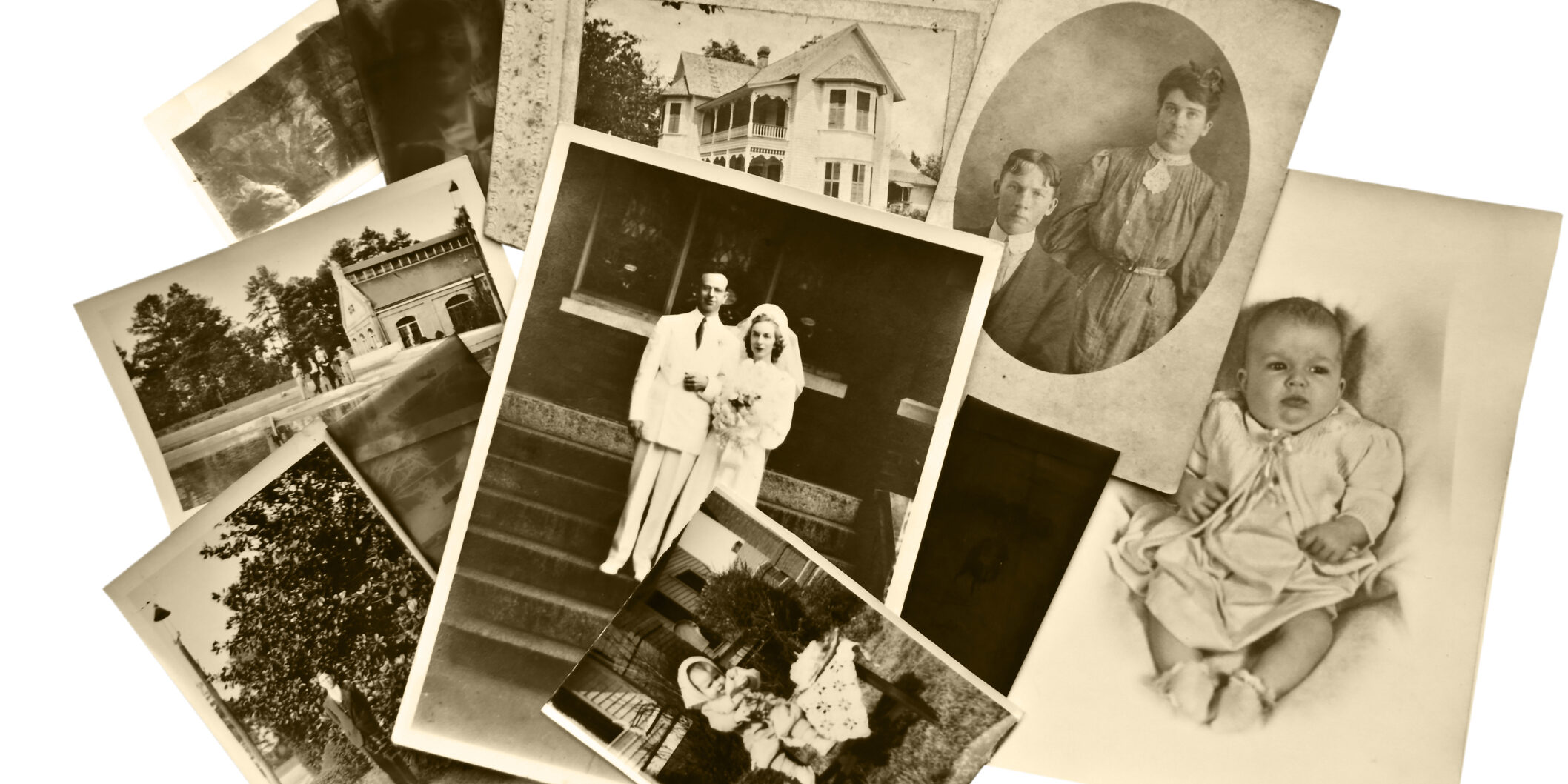
Anne and her mother love to pull out photo albums so that Anne can retell stories inspired by the pictures. When she flies out to visit her mother, the activity provides a way to talk that doesn’t require her mother to remember anything, and Anne’s reminiscences can provide a fun moment again and again and again. The two can even create new albums together with photos that Anne has collected from her travels, which provide an enjoyable and creative way to spice up their time together.
2) Electronic Picture Frames
Anne’s son gave his grandmother an Aura electronic picture frame that has become a treasured gift that she spends time with every day. Even though his grandmother lives in New York, while he lives in California and Anne lives in Arizona, the distant family members can still upload new pictures to the device. They often share stories about the images via calls or texts, or she can contact them with questions and thoughts about the images. The surprise of new photos that arrive regularly also are their own gifts, and she has been mesmerized by the picture frame since they installed it at her home.
3) Telling Stories
Even when she’s not visiting her mother, Anne calls for a chat each morning and often recounts a favorite story. As she goes about her work day or travels, she also makes a note to share a particular story or two with her mother. During their talks, she might ask if she can tell her mother the story about the time they spent a summer vacation by the lake or about a funny thing her grandchildren did when they were growing up. The stories make conversation easier and are always welcomed by her mother.
So, break out your storytelling style and have fun reliving special moments of your life. It might just spark more joy in your caregiving life.
Thank you for reading, be well, and please share with a friend.
All my best,
—KK
We are grateful to have been helping caregivers in need for over 10 years thanks to the support of the many generous and caring friends who have helped make a difference in so many lives.
Please consider donating to the Kathi Koll Foundation so you can help make a difference in struggling family caregivers’ lives. Thank you!
Hero Image: ID 8787066_Memories | Susan Leggett | Dreamstime.com